
Notebook / 04 — Operations
From websites to process systems
Lantern began with websites. The work evolved into understanding how owner-run businesses actually run, putting numbers on the process, and building the small systems that keep it running when the owner is not in the room. This page keeps the whole path visible: the separate ClearFlow experiment, the website machinery, and the move into process and business transformation. If you are reading this page wondering whom the current work is for, the last entry answers exactly that.
ClearFlow, the parallel experiment
ClearFlow was a separate spreadsheet-automation experiment, born from a KPMG observation: almost every small business runs on a spreadsheet built by one employee years ago that the whole company depends on and nobody dares touch.
It was built like a real company. A brand with a written voice guide (fourteen kilobytes of it before a single client). Worked case studies. A lead scraper and calling lists. And the site doubled as a design laboratory: each section tried a different visual language (claymorphism among them) to find out, cheaply, what converts and what merely looks clever. That habit of testing looks on a live page became the mood system Lantern runs on today.
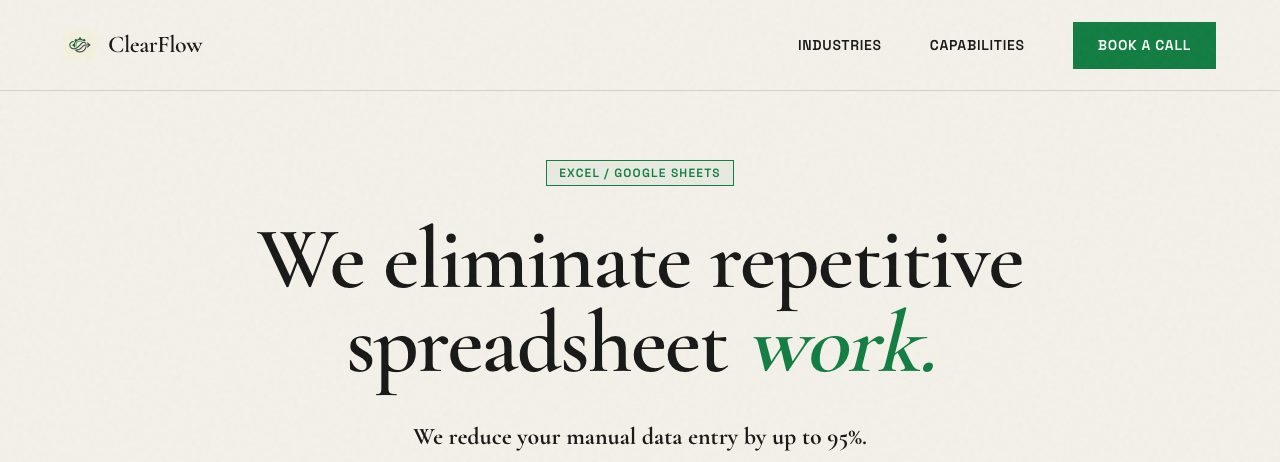
It is parked. Some of its working habits crossed into Lantern — human approval, written guardrails, generated paperwork — but it was not an earlier name for Lantern. Lantern began as a local website practice and found its own path into systems work. The fossil is in the address bar: the GitHub organisation serving this very site is still named clearflow-automation.
A parked venture that taught the next one is not a failure; it is tuition. It stays on the ledger.
The growth agent, human in the loop
ClearFlow’s social presence was not run by hand. It was run by an agent with a twenty-six-kilobyte system brain: six numbered sub-routines (researcher, content creator, prospector, outreach manager, engagement monitor, dashboard updater) plus a warm-engagement pass that must run before any cold message is even drafted.
You are not a generic social media bot.
The engineering is in the constraints, not the generation. Every post, DM and reply lands in an approvals queue and nothing touches a platform until a human clears it; only then does Composio execute the actual publish. The guardrails are written like laws: never more than ten DMs a day, never more than five posts, client names always anonymised, and claims capped in the voice guide itself: always “up to 95%”, never “95%”. State lives in a file, so the agent resumes mid-campaign across sessions instead of starting over.
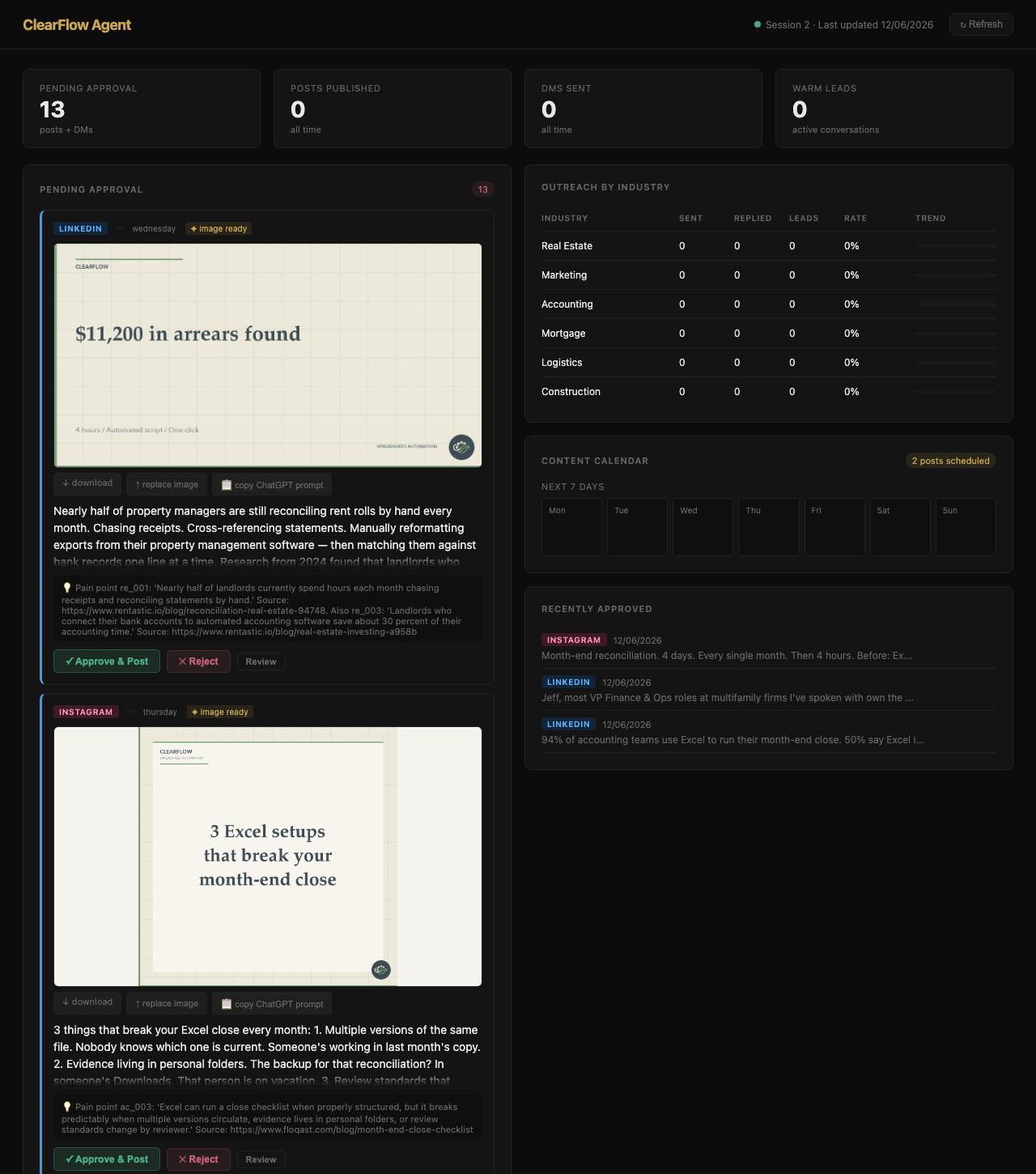
Automate the drafting, never the judgment. The film notebook reached the same law from the other direction: slop is automated judgment.
The twenty-minute demo
The product is not a website; it is a system that turns a prospect’s name into a personalised demo site in about twenty minutes, sent over WhatsApp to open the conversation. If they like it, the demo becomes the delivered site.
The personalisation is engineered, not improvised. The niche picks a default mood from a written design system: editorial for boutiques, minimal-luxe for spas, warm-boutique for bridal, clinical-trust for dentists, bold-modern for gyms, prestige-luxe for the elite end. Two or three colours are pulled from the shop’s own logo and photos and declared as CSS custom properties, the type pairing comes from the mood’s shortlist, and testimonials are real Google reviews or nothing. Every demo deploys under a noindex path so a sample site can never outrank the real shop in search.
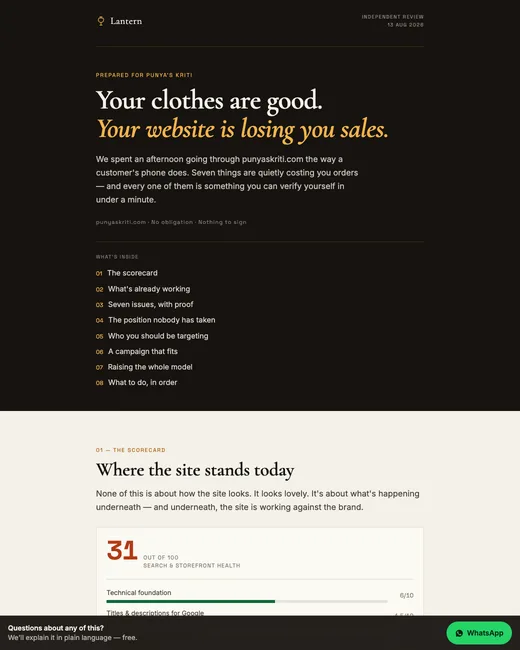
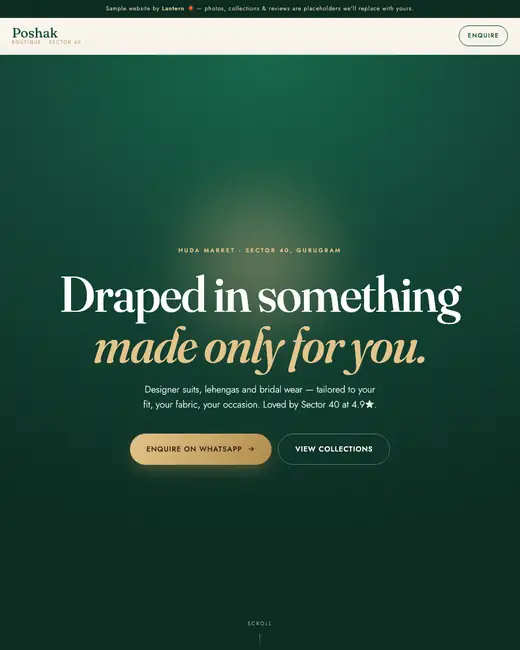
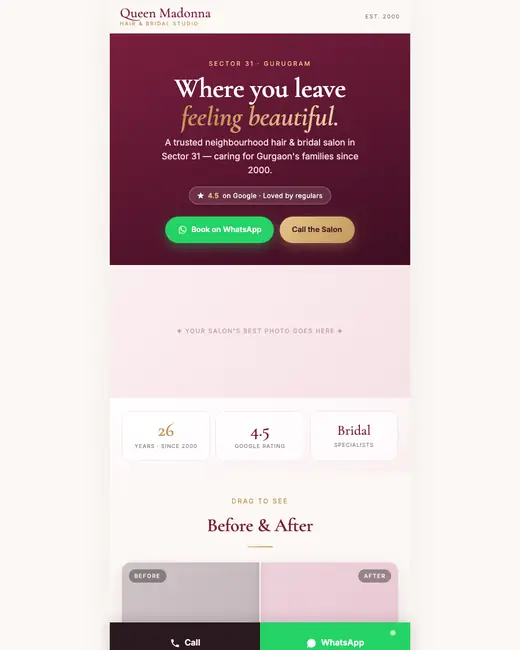



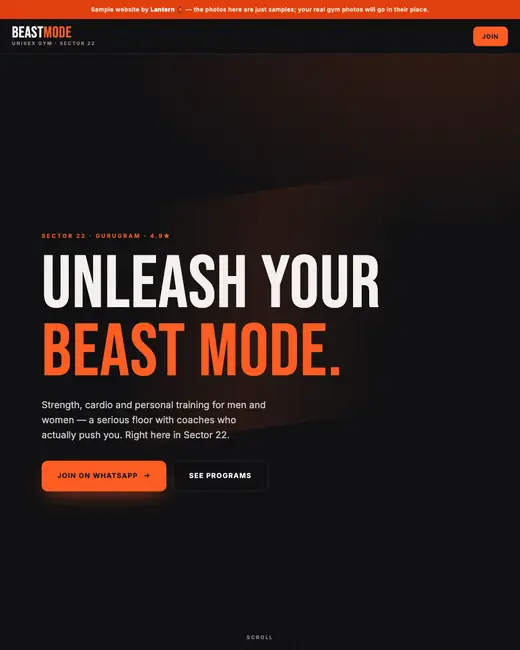
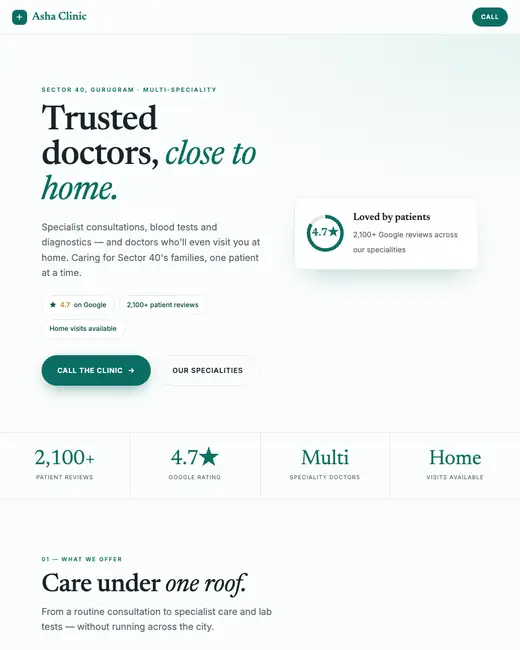


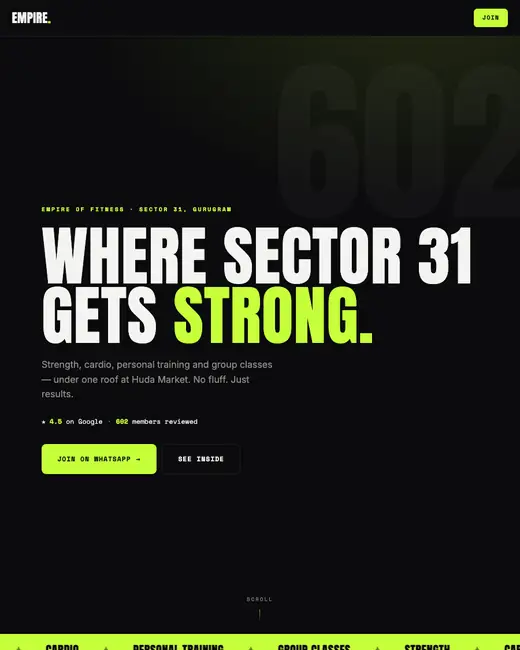
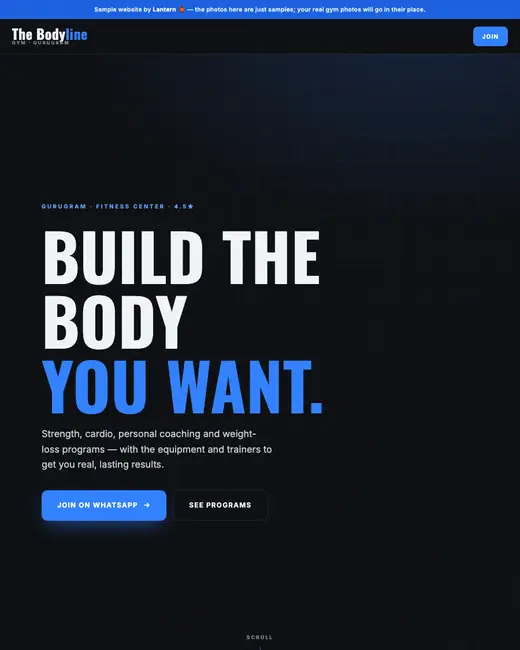


Sixteen on the shelf; two became live client sites; the studio’s own airlantern.com runs on the same machinery. Nothing personalised is built before an advance clears: a rule that exists because its absence was tried first.
Personalisation is a data change, not a build. That is the whole economics of the studio in one sentence.
Three lead engines, and a call sheet that respects the caller
Finding the shops got automated three ways: an engine that reads public map listings for a locality and scores which businesses have weak or missing websites; one that sweeps direct-to-consumer brands and enriches each with its domain’s registration age over RDAP; and one that walks business-association directories. Together they feed a master book of 381 leads across five regions, each row carrying the business, its category, rating and review count, a fit score, and an opening hook written in Hinglish, because that is the language the call actually happens in.
The detail that matters is in what the engines refuse to do: the call sheets are additions-only. A regenerated sheet would overwrite the caller’s own record (who answered, who said no, what was promised), so the machinery only ever appends. The human’s handwriting wins over the machine’s output, by design.
The phone call is the expensive part. Everything before it should cost nothing, and everything the caller writes down is sacred.
Paperwork as a build artifact
Every document the studio sends is generated: the offer catalogue, the price card, the sales ladder, the one-pager, the partner brief, both scopes of work, the invoices, the health-check sheets, the handover document, the client setup guide, the call sheets, the outreach messages. Even the logo is built by a script. Eighteen generators share one Word-furniture module, so a pricing change is edited once, in a constant, and every document that mentions money is rebuilt to match.
If it goes to a client twice, it gets a generator. Hand-edited paperwork is where version drift goes to hide.
The health check
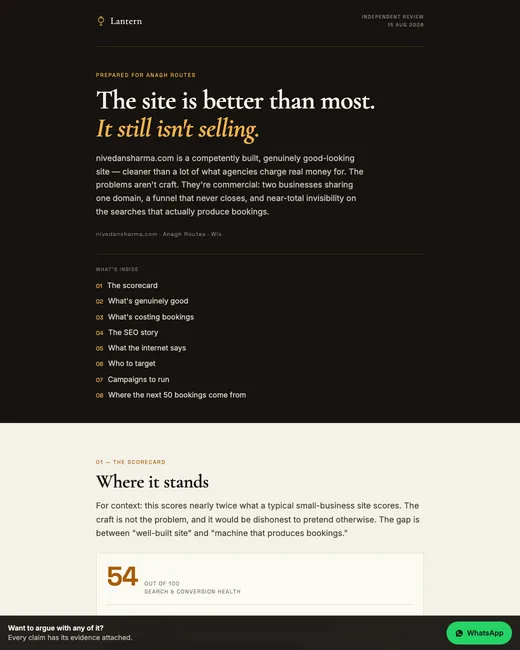
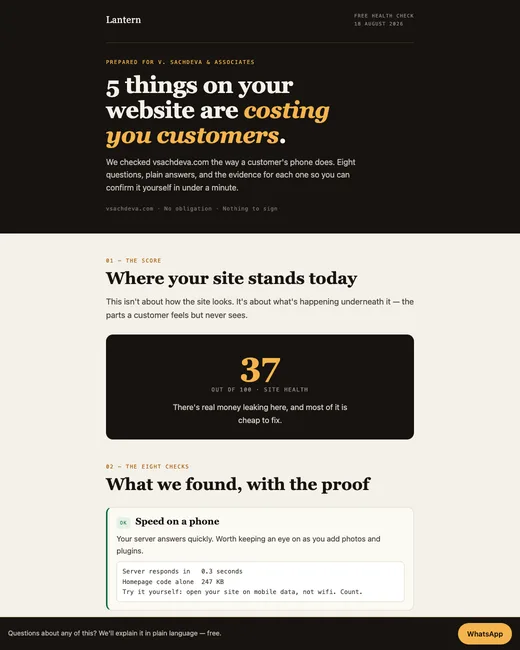
More than half the lead list already has a website, and most of those sites are quietly broken. For them the door is an automated audit: a scanner crawls the site, scores what is actually wrong (speed, search visibility, broken contact paths) and a generator turns the findings into a written review the owner keeps, free.
Three of those scorecards are published on airlantern.com’s reviews ledger, findings and all. The review earns the fix; the fix earns the retainer. It is the only door in the studio that ends in recurring revenue.
See the published scorecards →Lantern evolves
The website line exposed a larger problem. A better site can bring an enquiry in, but it cannot make the business behind it consistent. The handoffs, numbers, decisions and exceptions still live in the owner’s memory.
Lantern now works one process at a time: understand how it really runs, write it down, put numbers on it, build the small operating system around it, pilot it, and hand it over. AI comes after the process is documented and the evidence is sound.
The website practice remains real and useful, but it is now a secondary line. The evolved work is process and business transformation for owner-run businesses and professional practices.
The system is what Lantern sells. Documentation is how the work becomes visible, testable and transferable.
If some of this is for you
If a process only works because the owner remembers every exception, Lantern can make that work visible, measurable and repeatable. The first conversation is free. The systems practice — and the secondary website line — live at airlantern.com.